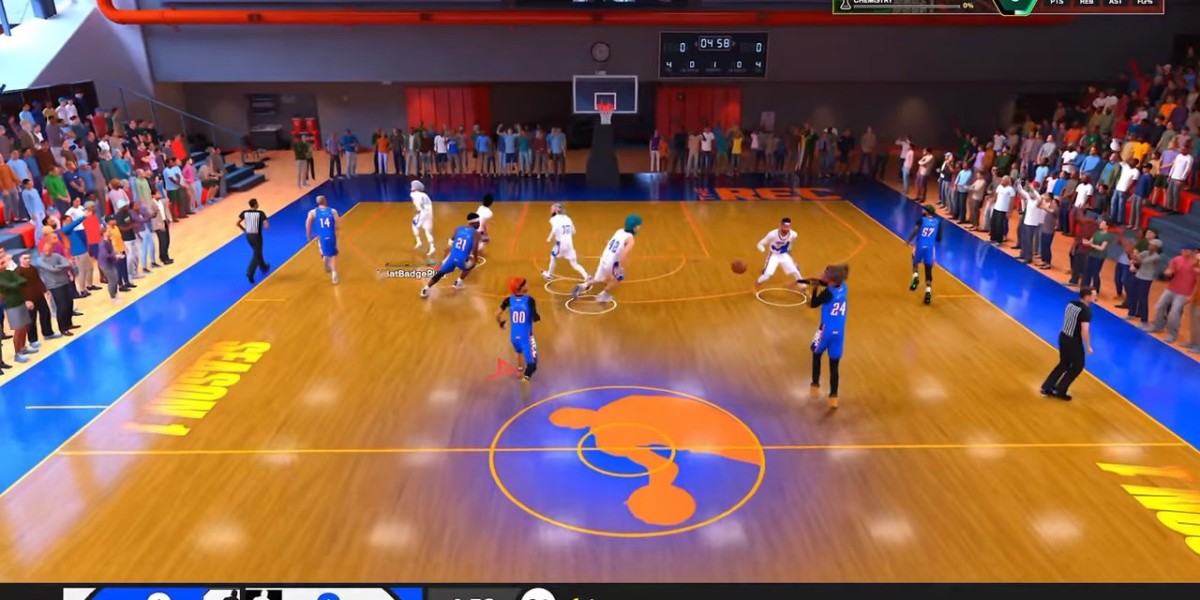

How do you reliably farm enough Runes for late-game progression in The Forge? If you’ve reached the later stages of this Roblox crafting RPG, you’ve probably already felt the pressure. Suddenly every upgrade, refinement, and advanced craft wants more Runes than you ever expected. So how do players keep up? Let’s break it down in a simple, practical way.
What Makes Late-Game Rune Farming So Different?
Why does the grind suddenly ramp up after mid-game? Late game in The Forge introduces more expensive weapon tiers, deeper talent upgrades, and higher-level enhancement nodes. At this point, everything costs more. The game expects you to know how to manage your time, clear harder maps efficiently, and fine-tune your combat builds.
Once I reached this stage myself, I realized that relying on early-game farming habits just wasn’t enough anymore. I had to rethink my routes and strategies entirely.
Which Areas Offer the Best Rune Drops?
Where should you actually farm if you want the best Rune efficiency per minute? The general rule is simple: the higher the enemy tier, the better the Rune payout. But some zones are much more efficient than others because of enemy density and respawn timing.
Here are the most common late-game farming spots players rely on:
High-Density Mob Zones
These areas shine because you can keep moving without downtime. Some players spend hours here simply rotating in circles, clearing waves non-stop. It’s a good place to warm up or zone out while grinding.
Elite Spawn Corridors
Elites drop better Rune amounts, making these corridors extremely efficient if your damage output is strong enough. In my experience, this is where your build truly gets tested. If you can burst elites fast, the Rune gain becomes surprisingly good.
Dungeon Repeat Runs
Dungeons are still relevant in late game because of their consistent rewards. Plus, repeating them gives you a predictable flow of Runes while you also gather extra materials for crafting The Forge items later on. That extra overlap really helps reduce grind time.
Does Gear Affect Rune Farming Efficiency?
Do you actually need strong gear before starting any serious farming? Yes, and it’s not just about damage. Survivability plays an equally huge role, especially in elite zones where enemies hit incredibly hard. Good sustain lets you farm longer without stopping.
Some players even choose to buy The Forge items early when gearing options feel limited, but that’s completely optional. Stronger equipment makes Rune grinding smoother, yet your actual strategy will still matter way more than anything you can buy or craft.
What Are the Best Builds for Rune Farming?
Which build styles perform well specifically for late-game farming? After testing multiple setups, I found that most efficient farming builds share these traits:
Fast-Hitting Abilities
Rapid skills help you clear dense packs quickly. They also trigger on-hit effects more often, which is a bonus.
Wide AoE Coverage
A tight corridor or cluster of mobs disappears instantly with the right AoE tool kit. This alone can double your Rune gain.
Sustain and Mobility
Healing-on-hit, shields, or mobility abilities ensure you stay alive while running nonstop. Farming slows down dramatically every time you’re forced to respawn.
It doesn’t matter if you prefer melee or ranged styles; what matters is the rhythm of clearing packs without long cooldown gaps.
Are Group Farms Better Than Solo Farms?
Should you farm alone or join a squad? Honestly, both approaches work, and each has its own strengths.
Solo Farming
You keep every drop, control your pace, and never have to wait for teammates. This is great for players who like zoning out with music or grinding while watching videos.
Group Farming
A well-coordinated group can absolutely melt elite corridors. The pace feels faster, and sometimes you even gain bonus materials that you can use later when crafting or trading The Forge items. This teamwork approach also helps newer players get carried through harder areas.
Personally, I switch between the two depending on my mood.
How Do Events Affect Rune Farming?
Are events worth participating in, or are they just distractions? Events in Roblox The Forge often provide boosted drop rates, temporary Rune bonuses, or unique challenges that give extra rewards. Whenever an event is running, it’s almost always the best time to farm. Even if you’re normally busy, it’s worth logging in for at least a few runs.
Some players keep track of events using community updates from places like U4GM discussions or social channels. While these aren’t official sources, they help players stay informed and plan their grind more effectively.
Should You Trade for Rune-Related Materials?
Is trading a smart shortcut, or does it ruin the experience? Trading can help if you’re short on time, especially when you can swap extra crafting materials for items that boost Rune gains. Just play it smart and avoid relying entirely on trading. Learning to farm efficiently is part of what makes late-game progression satisfying.
If you do participate in trading, just make sure you stay within the game’s rules and avoid anything sketchy. The economy is player-driven, so prices naturally fluctuate.
Final Tips for Faster Rune Farming
What simple habits make the biggest difference over time? Here are a few quick pointers that helped me a lot:
Keep your inventory clean so you can grind longer without stopping. Update your build every time you unlock a significant talent or crafting option. Don’t ignore defensive stats; dead players earn zero Runes. Try different areas to see which one fits your playstyle best. Sometimes personal comfort beats theoretical efficiency.
Late-game Rune farming in Roblox The Forge can feel overwhelming at first, but once you establish good routes and a solid build, the grind becomes surprisingly enjoyable. Whether you prefer fast solo loops or high-speed elite group runs, there’s always room to refine your strategy and push your efficiency just a little further.