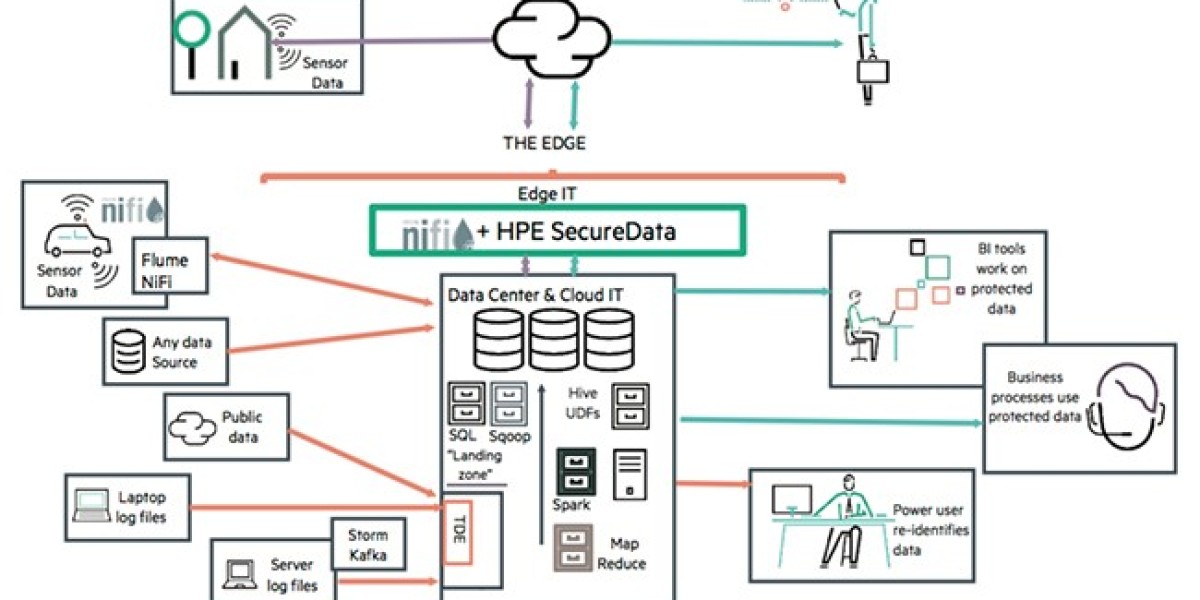

Major technology companies establish industry standards for protecting massive information repositories effectively. Understanding how does big tech handle data security? provides valuable insights for organizations developing protection strategies. These enterprises invest billions annually in sophisticated security infrastructure and expert talent acquisition. The Big Data Security Market size is projected to grow USD 53.87 Billion by 2035, exhibiting a CAGR of 14.81% during the forecast period 2025-2035. Leading technology companies employ multi-layered defense strategies protecting data across entire lifecycles completely. Their approaches combine advanced technology with rigorous processes and highly trained security personnel. Zero-trust security architectures have become standard among major technology organizations handling sensitive data. Continuous authentication and authorization verification occur regardless of user location or network connection. Data classification systems ensure appropriate protection levels are applied based on sensitivity and regulatory requirements. The scale of big tech operations necessitates automation-first approaches to security implementation and monitoring.
Encryption represents a fundamental component of big tech data protection strategies implemented today. Data encryption occurs at rest, in transit, and increasingly during processing operations now. Advanced key management systems ensure encryption keys remain secure while enabling authorized access. Hardware security modules provide tamper-resistant environments for cryptographic operations and key storage. End-to-end encryption protects data even from the service providers themselves in certain applications. Encryption innovations continue evolving to address quantum computing threats anticipated in future environments.
Access control mechanisms strictly limit data exposure to authorized users and applications only. Identity and access management systems verify user identities through multiple authentication factors. Role-based access controls ensure employees only access information necessary for their job functions. Privileged access management provides additional controls for administrative accounts with elevated permissions. Behavioral analytics identify unusual access patterns potentially indicating compromised credentials or insider threats. Automated access reviews ensure permissions remain appropriate as employees change roles or depart.
Incident response capabilities at major technology companies operate at extraordinary scale and speed. Security operations centers monitor billions of events daily across global infrastructure continuously. Machine learning algorithms identify potential threats among massive volumes of security telemetry data. Automated response systems contain threats within seconds of detection without human intervention. Post-incident analysis improves defenses and prevents similar attacks from succeeding subsequently again.
Top Trending Reports -
France Transaction Monitoring Market Share