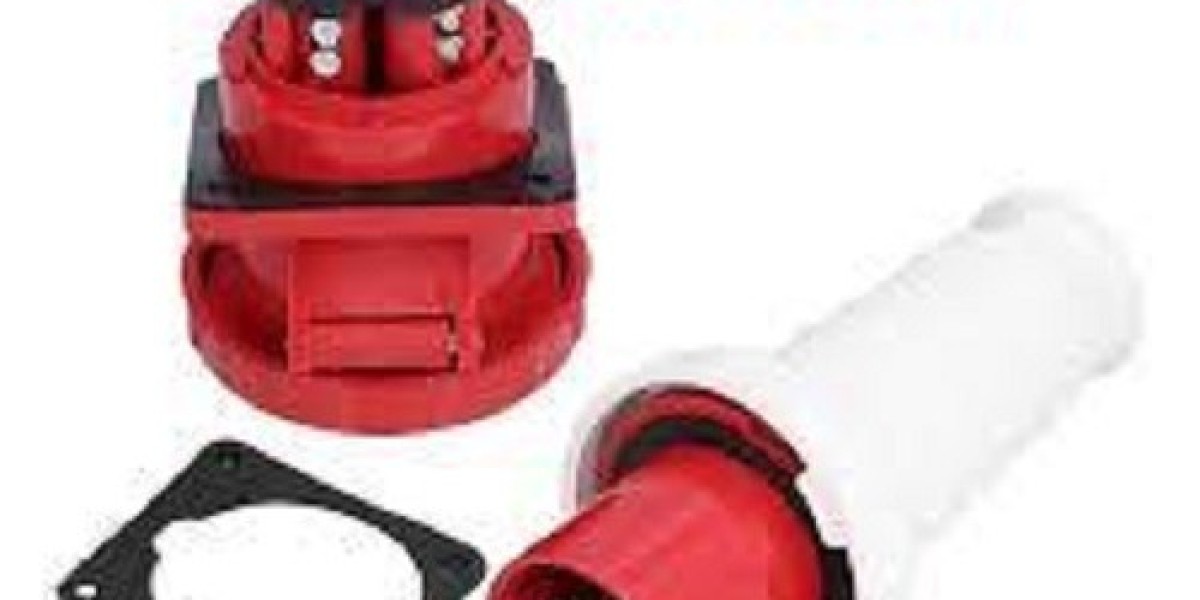

In demanding industrial environments, selecting robust power interfaces is essential, and when engineers evaluate Industrial Plug Socket Connector solutions, performance consistency and safety compliance become decisive factors; meanwhile, a proven Industrial Plug Socket Connector design supports uninterrupted operations across factories, ports, construction sites, and infrastructure projects. Modern industries rely on connectors that can withstand vibration, dust, moisture, and mechanical stress while maintaining secure electrical contact. This focus on reliability has reshaped how connectors are designed, tested, and deployed worldwide.
The role of connectors in modern industrial systems
Industrial power systems depend on stable connections to ensure machines, tools, and control units operate efficiently. A single failure at a connection point can halt production, compromise safety, and increase maintenance costs.
High-quality connectors are engineered to deliver consistent current under variable loads, resist overheating, and maintain firm engagement even in harsh conditions. Their role extends beyond simple power delivery, supporting system uptime, worker safety, and operational continuity in energy-intensive applications.
Material engineering and structural durability
Material selection directly impacts connector lifespan. Industrial connectors are commonly manufactured using high-strength thermoplastics, reinforced housings, and corrosion-resistant metal contacts. These materials provide insulation, mechanical stability, and resistance to environmental factors such as chemicals, humidity, and extreme temperatures.
Precision molding and reinforced locking mechanisms further enhance durability. When connectors are repeatedly connected and disconnected, structural integrity must remain intact to prevent arcing or contact degradation. This engineering focus ensures long-term reliability and reduced replacement frequency.
Safety standards and compliance requirements
Compliance with international standards is fundamental in industrial power distribution. Certifications related to ingress protection, current ratings, and thermal performance verify that connectors meet strict safety benchmarks.
Design features such as secure locking systems, clear polarity guidance, and protective contact sleeves reduce the risk of accidental disconnection or electric shock. By adhering to recognized standards, industrial connectors support safe installation and operation across global markets.
Nante Industrial Plug Socket Connector Engineering Practices
Nante applies systematic engineering methods to ensure connector reliability across diverse industrial scenarios. Rigorous testing simulates real-world stress conditions, including load cycling, environmental exposure, and mechanical impact.
Quality control processes emphasize dimensional accuracy, material consistency, and electrical performance verification. This structured approach supports scalable production while maintaining dependable performance for industrial users seeking long-term operational stability.
Adaptability across industries and applications
Industrial connectors are used in manufacturing plants, logistics hubs, renewable energy installations, and temporary power distribution systems. Their adaptability allows them to serve both permanent installations and mobile equipment.
Design modularity supports compatibility with various voltage levels and system configurations. This flexibility simplifies system integration, reduces downtime during upgrades, and allows industries to respond quickly to changing operational demands.
As industries continue to automate and expand, dependable connector solutions remain critical to safe and efficient power delivery. Choosing a well-engineered solution ensures long service life, compliance, and operational confidence. For deeper technical insights, visit https://www.nante.com/news/industry-news/what-is-industrial-plug.html