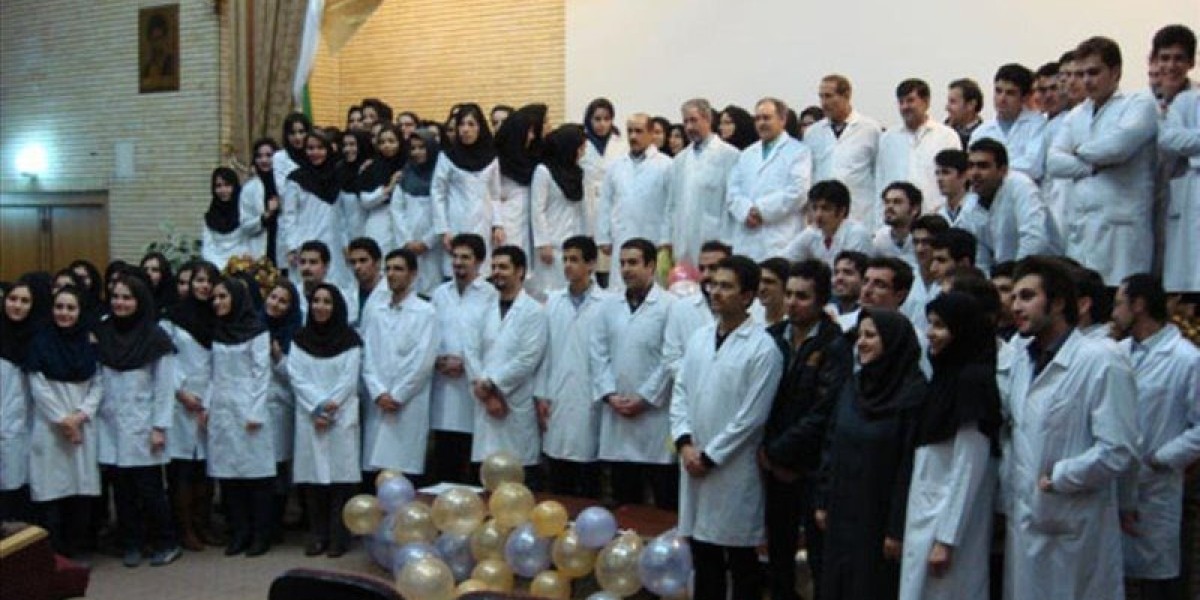

Study MBBS in Iran is a phrase that is increasingly appearing in conversations among serious medical aspirants and parents who are carefully evaluating international options beyond traditional destinations. In recent years, Iran has begun to attract attention not because of aggressive promotion, but due to the quiet strength of its medical education system, strong clinical exposure, academic discipline, and globally aligned training standards. Students who look beyond surface-level rankings and marketing narratives are starting to recognize Iran as a destination that prioritizes real medical competence over convenience. This growing interest reflects a shift in how aspirants define quality medical education—not just by cost or country popularity, but by how well a system prepares future doctors for real clinical responsibility.
A Medical Education System Rooted in Academic Depth
Iran’s medical education system is built on a strong foundation of scientific rigor and research-oriented learning. Many Iranian medical universities are public institutions with decades of experience in training doctors, researchers, and specialists. The academic culture emphasizes deep conceptual understanding rather than superficial exam preparation. From the early years, students are expected to develop strong fundamentals in anatomy, physiology, biochemistry, pathology, and pharmacology, which later support advanced clinical reasoning.
Unlike systems that prioritize speed or simplified curricula, Iran’s medical training is intentionally demanding. This academic depth appeals to serious MBBS aspirants who understand that medicine requires long-term intellectual discipline. The focus on understanding disease mechanisms, diagnostic logic, and evidence-based treatment builds a strong mental framework that remains valuable throughout a doctor’s career.
Early and Meaningful Clinical Exposure
One of the most important reasons Iran’s medical education is being reconsidered is its strong emphasis on clinical training. Iranian medical universities are closely integrated with large government hospitals that serve diverse and high-volume patient populations. This integration ensures that students are exposed to real medical cases rather than simulated or limited clinical experiences.
Clinical exposure in Iran is not treated as an afterthought. Students gradually enter hospital environments, observe patient care, attend ward rounds, and participate in case discussions under supervision. Over time, they gain confidence in patient interaction, diagnosis, and treatment planning. This practical immersion helps bridge the gap between theory and practice, which is often a concern in many MBBS programs worldwide.
A Hospital-Centric Training Philosophy
Iran follows a hospital-centric approach to medical education, where teaching hospitals are central to learning rather than separate from academics. Professors are often practicing clinicians who bring real case experiences into classrooms and discussions. This ensures that medical education remains grounded in practical realities rather than abstract theory.
Students witness firsthand how clinical decisions are made under real constraints such as time pressure, patient load, and limited resources. This exposure trains them to think realistically and responsibly. For aspirants who aim to practice in countries like India, where similar healthcare challenges exist, this hospital-first training model is particularly relevant and valuable.
Academic Discipline and Professional Accountability
Serious MBBS aspirants are increasingly drawn to environments that promote discipline, consistency, and professional responsibility. Iranian medical universities are known for their structured academic schedules, strict attendance requirements, and regular assessments. This disciplined environment ensures that students remain engaged throughout the program rather than relying on last-minute preparation.
Professional behavior is emphasized early, including punctuality, ethical conduct, respect for patients, and accountability during clinical training. These values shape students into responsible healthcare professionals rather than just degree holders. Aspirants who value long-term competence over short-term ease often see this academic seriousness as a major advantage.
Alignment With Global Medical Standards
Iran’s medical education system aligns closely with international medical standards. The curriculum structure, clinical evaluation methods, and emphasis on applied knowledge prepare students for global medical licensing examinations. Case-based learning, viva assessments, and clinical reasoning are integral parts of training, which mirror the expectations of exams such as FMGE or NExT in India, as well as international assessments like USMLE and PLAB.
This alignment reassures aspirants who want flexibility in their future careers. Whether they plan to return to India, pursue postgraduate studies abroad, or work in international healthcare systems, Iranian medical education provides a strong foundational platform.
Language, Communication, and Patient Interaction
While the academic medium for international MBBS programs in Iran is English, students gradually adapt to Persian language use during clinical interactions. Universities often provide basic language orientation, and students naturally learn common medical terms through daily hospital exposure. This multilingual environment enhances communication skills and cultural adaptability.
Learning to communicate with patients from different backgrounds improves empathy and clinical effectiveness. Serious aspirants increasingly recognize that strong communication skills are as important as academic knowledge, and Iran’s patient-centered training environment supports this growth.
Safety, Stability, and Focused Learning Environment
Another reason Iran is being reconsidered is the stable and focused environment it offers for medical education. University campuses are secure, student accommodations are regulated, and academic life is relatively free from unnecessary distractions. This allows students to concentrate on studies without constant social or environmental disruptions.
Parents, in particular, appreciate the emphasis on safety, discipline, and academic seriousness. For students living abroad for the first time, a stable environment plays a critical role in academic performance and emotional well-being.
Affordability Without Compromising Quality
While affordability alone does not define quality, it becomes meaningful when combined with strong academic and clinical training. Iran offers a cost structure that is significantly lower than many Western or European destinations, yet does not dilute educational standards. Tuition fees and living costs remain manageable for middle-income families, making high-quality medical education accessible without excessive financial pressure.
This balance between affordability and academic integrity is a key reason why serious aspirants are reconsidering Iran—not as a backup option, but as a strategic choice.
A Shift in Aspirant Mindset
The growing interest in Iran reflects a broader shift in how MBBS aspirants evaluate study-abroad destinations. Students are no longer looking only for ease of admission or minimal academic pressure. Instead, they are prioritizing clinical competence, exam readiness, professional discipline, and long-term career sustainability.
Iran fits well into this new mindset. It attracts students who are willing to work hard, adapt to a rigorous system, and invest in becoming capable doctors rather than merely completing a degree.
Conclusion
Iran’s medical education system is being reconsidered because it offers what serious MBBS aspirants truly need: academic depth, real clinical exposure, disciplined training, and global relevance. It is not a shortcut, but a structured and demanding pathway that rewards commitment and consistency. For students who understand that medicine is a lifelong responsibility rather than a quick qualification, Iran presents a compelling and increasingly respected option. As awareness grows and perceptions evolve, Iran is steadily earning its place among destinations that train doctors not just for exams, but for real-world medical practice.