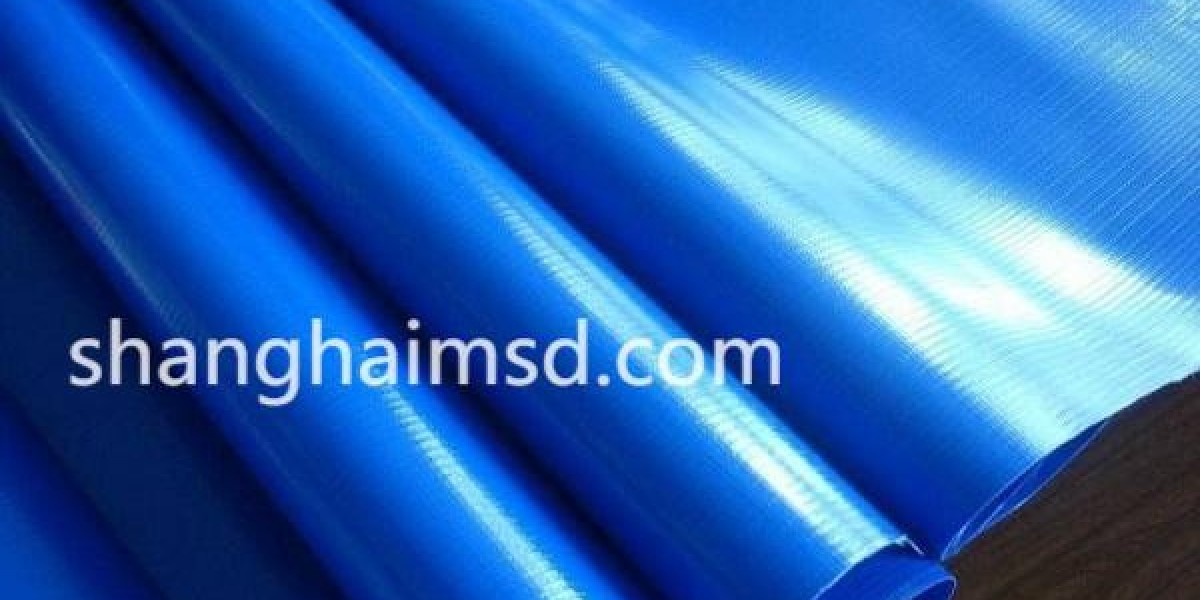

For products designed for repeated use and long-term deployment, understanding the durability mechanisms of PVC Inflatable Fabric is essential. Material selection alone does not guarantee performance; factors such as polymer composition, coating thickness, and stabilizer systems collectively determine how the membrane responds to environmental stressors, including UV exposure, temperature variation, and moisture penetration.
One of the primary aging mechanisms is polymer degradation under ultraviolet radiation. PVC molecules can break down when exposed to sunlight for extended periods, leading to discoloration, embrittlement, and reduced elasticity. By incorporating UV stabilizers during production, manufacturers can significantly slow these chemical reactions, preserving the membrane’s mechanical properties over time. The choice and distribution of these stabilizers are critical for consistent performance across the entire surface of large inflatable structures.
Thermal stress is another significant factor in long-term performance. Fluctuations between high and low temperatures can induce expansion and contraction cycles that generate micro-stresses within the polymer layers. Over repeated cycles, these stresses may accumulate and lead to surface cracking or seam weakening. Controlled formulation, including the balance of plasticizers and additives, helps the material retain flexibility even in challenging climates, maintaining both structural integrity and comfort in use.
Moisture and chemical exposure also impact durability. Humid or corrosive environments can penetrate micro-voids in the coating if not properly sealed, promoting material softening or localized degradation. Advanced coatings and uniform curing processes reduce porosity and enhance barrier properties, allowing the inflatable to withstand repeated exposure to water, cleaning solutions, or other environmental contaminants.
Mechanical fatigue is inherent in any inflatable design due to repeated inflation, deflation, and handling. Stress concentrations often occur at folds, corners, and welded seams, and improper design can accelerate wear. By analyzing how materials behave under cyclic loading, manufacturers can adjust thickness, weave pattern, or coating flexibility to minimize high-stress points. This approach prolongs functional lifespan while maintaining ease of assembly and portability.
Testing for durability goes beyond basic pressure checks. Long-term exposure simulations, including accelerated UV aging, thermal cycling, and flex fatigue tests, provide quantitative data on how materials respond over time. Such assessments reveal whether protective additives, coatings, and reinforcement strategies are effective in maintaining performance under real-world conditions. These results guide adjustments in formulation and fabrication practices, creating materials optimized for extended service life.
Shanghai MSD combines an understanding of polymer chemistry with practical environmental testing to ensure that inflatable materials perform reliably over time. By integrating durability considerations early in the material development process, the company helps clients achieve products that resist aging, maintain flexibility, and preserve airtightness across varied use cases. Additional insights on material longevity and environmental adaptation can be found at https://www.shanghaimsd.com/news/what-is-pvc-inflatable-fabric-everything-you-need-to-know.html .