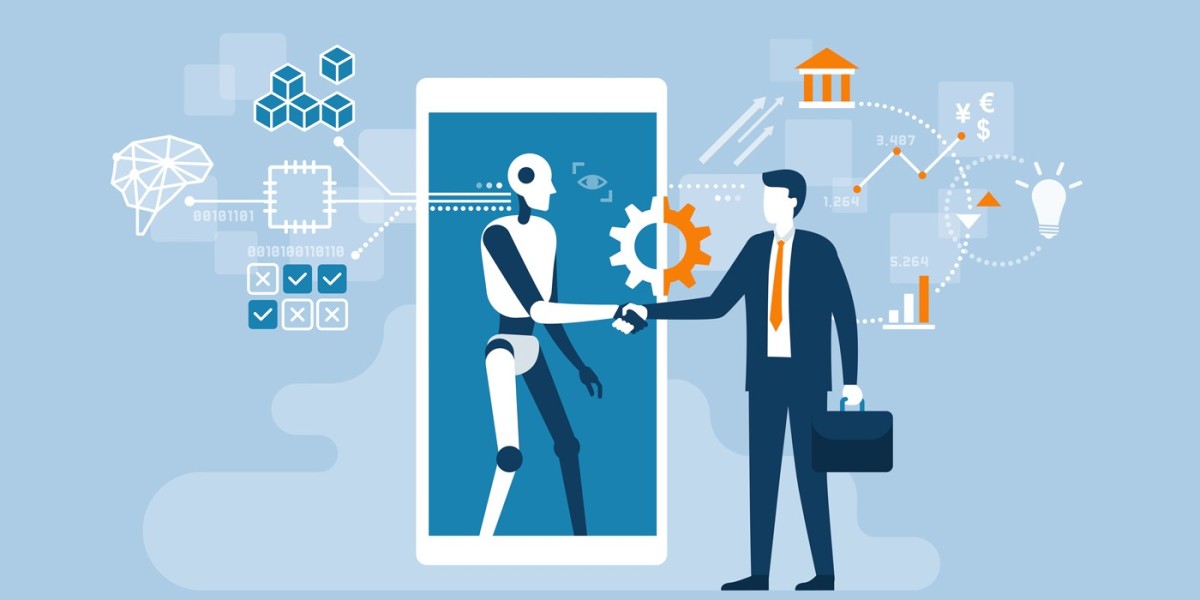

Managing a modern workforce has become increasingly complex as organizations grow and operations scale. From scheduling employees to tracking performance and ensuring compliance, businesses need a centralized system that delivers clarity and control. A Workforce Management Dashboard offers exactly that a data-driven solution designed to streamline workforce operations and support smarter decision-making.
What Is a Workforce Management Dashboard?
A workforce management dashboard is a visual platform that consolidates key workforce data into a single, easy-to-understand interface. It allows managers and decision-makers to monitor employee attendance, productivity, scheduling, and performance metrics in real time.
Instead of relying on disconnected spreadsheets or manual reports, organizations gain a holistic view of their workforce. This centralized approach helps teams respond quickly to operational challenges and align workforce strategies with business goals.
Why Businesses Need Workforce Management Dashboards
In competitive markets, workforce efficiency directly impacts profitability. A workforce management dashboard enables businesses to:
Identify staffing gaps and overstaffing issues instantly
Monitor productivity trends across teams and departments
Reduce administrative workload through automation
Improve planning accuracy with real-time insights
By transforming raw data into actionable intelligence, dashboards help organizations move from reactive management to proactive workforce planning.
Key Benefits of a Workforce Management Dashboard
1. Real-Time Workforce Visibility
With real-time data access, managers can track attendance, shift coverage, and performance without delays. This ensures faster responses to issues like absenteeism or workload imbalance before they affect operations.
2. Increased Operational Efficiency
Automation eliminates repetitive tasks such as manual scheduling and reporting. This reduces errors, saves time, and allows HR and operations teams to focus on strategic initiatives.
3. Better Employee Performance Management
Dashboards provide clear performance metrics that help managers evaluate productivity, set realistic goals, and recognize high performers. Transparency in data also encourages accountability and motivation among employees.
4. Smarter Decision-Making
Visual analytics make complex workforce data easier to interpret. Executives and managers can use insights to forecast labor needs, control costs, and support long-term workforce strategies.
5. Enhanced Compliance and Data Security
A structured dashboard ensures consistent tracking of work hours, leave, and policy adherence. Role-based access control protects sensitive employee information while maintaining compliance standards.
Essential Features of an Effective Workforce Management Dashboard
An advanced workforce management dashboard should include:
Customizable KPIs and reports
Interactive charts and data visualizations
Attendance and leave tracking
Workforce scheduling and forecasting
Performance analytics
Secure role-based access
These features ensure the dashboard serves multiple stakeholders from HR teams to executives with relevant and actionable insights.
Who Can Benefit from a Workforce Management Dashboard?
HR Teams: Simplify workforce planning, performance evaluation, and employee engagement tracking.
Operations Managers: Optimize shift scheduling and resource allocation for better productivity.
Business Leaders: Gain strategic insights to align workforce decisions with organizational objectives.
Conclusion
A workforce management dashboard is no longer a luxury it is a necessity for businesses aiming to stay agile and competitive. By providing real-time visibility, automation, and actionable insights, it empowers organizations to manage their workforce more effectively and confidently.
Investing in a modern workforce management dashboard can transform workforce data into a strategic advantage, driving productivity, efficiency, and sustainable growth.