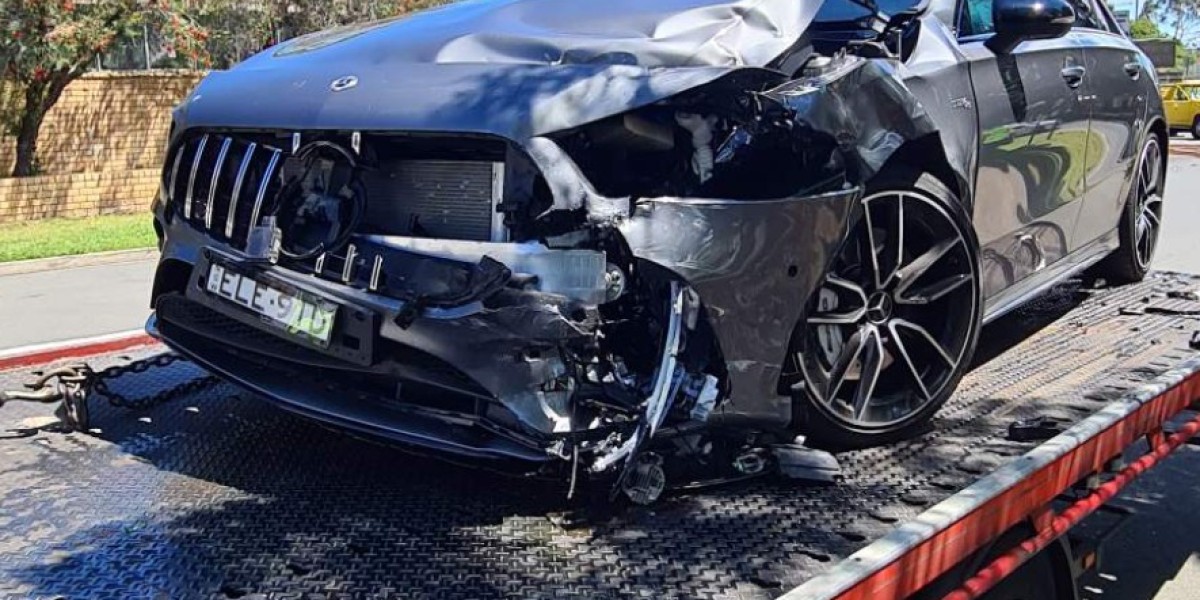

Owning a car in Sydney often feels like a necessity. Work, family duties, and daily travel all depend on reliable transport. Yet there comes a time when a vehicle no longer fits into daily life. It may sit unused, fail inspections, or demand repair costs that keep rising. When this happens, many owners ask one clear question. Is scrap car removal in Sydney worth it for unwanted vehicles?
This article looks at that question in depth. It stays focused on facts, local rules, and real outcomes. The aim is to help vehicle owners understand what really happens when a car reaches the end of its road life in Sydney.
Understanding What Scrap Car Removal Means
Scrap car removal refers to the process where an unwanted vehicle is collected and taken to a licensed facility. The vehicle is not prepared for resale as a drivable car. Instead, it is dismantled, sorted, and recycled.
In New South Wales, this process is regulated. Operators must follow environmental and transport rules set by state authorities. These rules exist to protect land, water, and public safety. Vehicles are treated as a source of reusable parts and recyclable materials, not as waste to be dumped.
Common Reasons Cars Become Unwanted in Sydney
Rising Repair Bills
As vehicles age, parts wear out. Engines lose efficiency, gearboxes weaken, and electrical faults become frequent. For many owners, the cost of fixing these issues becomes higher than the car worth. At that point, keeping the vehicle no longer makes sense.
Registration and Inspection Issues
In New South Wales, vehicles must meet safety standards to remain registered. Older cars often fail these checks due to rust, braking issues, or emissions problems. When repair costs exceed the value of the vehicle, owners may decide to stop renewing registration.
Accident Damage
After a serious crash, a car may look repairable but hide structural damage. These vehicles are often written off or deemed unsafe for road use. Even if they start and move, they may no longer meet safety rules.
Long Periods of Non Use
Some vehicles are kept with good intentions but remain unused for years. Over time, tyres flatten, fluids leak, and rust spreads. The car slowly turns into a storage problem rather than a transport solution.
The Scrap Car Removal Process Explained
Many owners hesitate because they do not understand how the process works. In reality, the steps are clear and regulated.
Ownership Checks
Before a vehicle is collected, ownership must be confirmed. This step prevents illegal removal and protects both the owner and the operator. Documents such as registration papers or identification are usually required.
Collection From the Location
Once approved, the vehicle is collected using licensed towing equipment. In Sydney, transport vehicles must meet safety and compliance standards to operate on public roads.
Fluid Removal and Safety Steps
At the recycling yard, harmful fluids such as engine oil, coolant, fuel, and brake fluid are drained. Batteries, airbags, and other risky components are removed. This stage is essential under environmental laws in New South Wales.
Dismantling and Material Sorting
Usable parts are separated for reuse. The remaining shell is crushed and sorted by metal type. Steel, aluminium, and copper are sent to recycling facilities. Studies within the automotive recycling industry show that close to eighty percent of a car by weight can be reused or recycled.
Environmental Impact of Scrapping Old Vehicles
One of the strongest arguments in favour of scrap car removal is its environmental role.
Reducing Illegal Dumping
Abandoned vehicles cause serious issues across urban and regional areas. They leak fluids, attract pests, and take up public space. Responsible removal reduces the chance of illegal dumping.
Supporting Metal Recycling
Australia depends on recycled metals for construction and manufacturing. Recycling steel from old vehicles uses far less energy than producing new steel from raw materials. This reduces emissions and conserves natural resources.
Safe Handling of Harmful Materials
Cars contain substances that can harm soil and waterways if left unmanaged. Licensed facilities follow strict procedures to prevent leaks and contamination. This protects local ecosystems across Sydney.
Financial Factors Owners Should Think About
Money often shapes the final decision.
Costs of Keeping an Unused Vehicle
Even when a car is not driven, it still costs money. Registration renewal, insurance, storage space, and potential council fines add up over time. These ongoing costs often outweigh any future plans to fix the vehicle.
Private Sale Versus Removal
Selling a damaged or non running car privately can be difficult. Buyers often expect roadworthy vehicles. Advertising, inspections, and negotiations take time and effort.
Scrap car removal focuses on material value rather than appearance or driving condition. This suits vehicles that no longer meet road standards.
What Determines Scrap Value
The value of a scrap vehicle depends on several factors. These include vehicle weight, metal prices, and demand for parts. While the return may not match a sale of a working car, it reflects the remaining worth of the materials.
Legal Responsibilities in New South Wales
Vehicle owners in Sydney must follow certain legal steps when dealing with unwanted cars.
Cancelling Registration
After a vehicle is removed for scrap, registration should be cancelled with Transport for NSW. In some cases, owners may receive a refund for unused registration time.
Using Licensed Operators
Only licensed operators are allowed to handle vehicle dismantling and recycling. Using unlicensed services can lead to fines and environmental damage. Checking compliance protects the owner and the community.
Record Keeping
Keeping a record of removal and disposal helps avoid future disputes. It also confirms that the vehicle has been handled according to state rules.
Space, Safety, and Daily Living
An unwanted vehicle affects more than paperwork and finances.
Impact on Property Space
Space is limited in many Sydney suburbs. A car that no longer runs often takes up valuable room that could be used for parking, storage, or outdoor living.
Safety Risks at Home
Old vehicles may leak fuel or oil. Broken glass, sharp metal, and unstable parts create hazards, especially for children and pets. Removing the car reduces these risks.
When Scrap Car Removal Makes Sense
Scrap car removal is not the right answer for every vehicle. Newer cars with minor faults may still suit repair or resale. However, for vehicles that fail inspections, suffer major damage, or sit unused for long periods, removal offers a clear and lawful solution.
It allows owners to close the chapter on a vehicle that no longer fits their needs. It also aligns with recycling goals and environmental protection efforts across New South Wales.
Final Thoughts
Is scrap car removal in Sydney worth it for unwanted vehicles? For many owners, the answer is yes. It addresses safety concerns, reduces ongoing costs, and supports responsible recycling. It also helps manage limited space in a growing city.
By understanding the process, legal duties, and environmental impact, vehicle owners can make a calm and informed decision. Letting go of an old car often brings relief, clarity, and a sense of closure. In a city like Sydney, where space and sustainability matter, responsible vehicle removal plays an important role in everyday life.