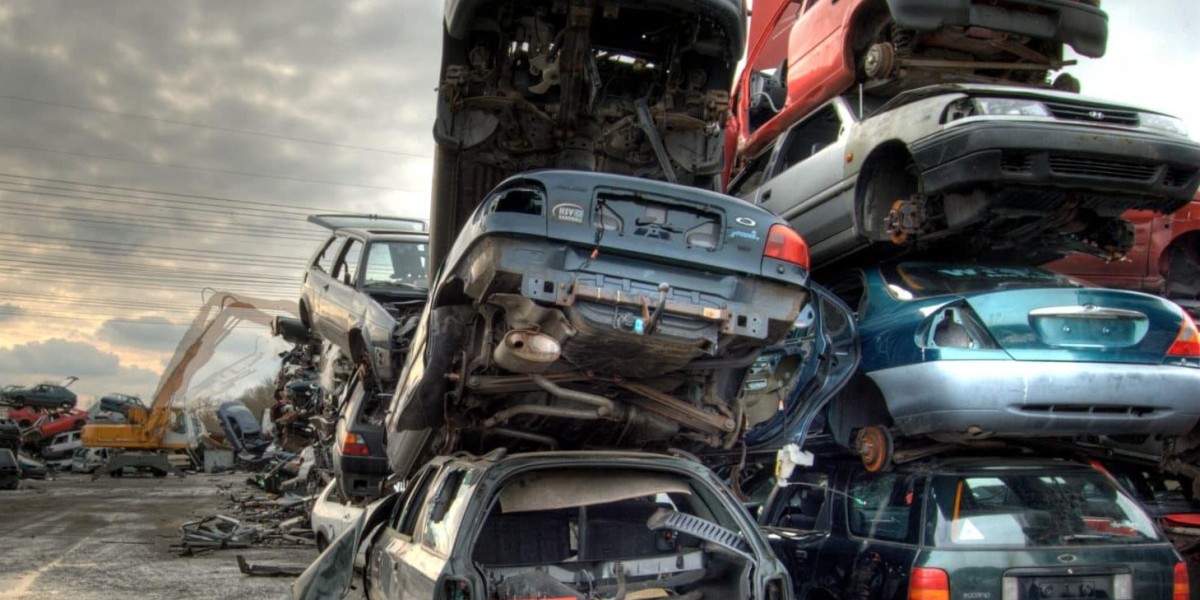

Selling a scrap car can feel confusing at first. The car no longer runs well, repairs cost too much, and it keeps sitting in the driveway or garage. Over time, it turns into a bigger problem. Rust spreads, tyres deflate, and parts lose working condition. Many car owners across Australia face this situation and delay action, thinking the car may still be useful one day. In reality, unused vehicles lose metal quality and parts demand as months pass.
A local wrecking yard offers a clear path to deal with a scrap car in a lawful and practical way. This guide explains how the process works, what facts matter, and how to handle each step with clarity.
Understanding What a Scrap Car Really Is
A scrap car is not only a car that does not start. It also includes vehicles that fail roadworthy checks, suffer major engine or gearbox issues, or cost more to repair than their market worth. Data from automotive repair trends in Australia shows that when repair costs rise beyond half of the car resale amount, owners often choose disposal instead of repair.
Cars damaged by floods, fire, or long-term rust also fall into this category. Even registered vehicles can become scrap when insurance companies list them as write-offs after inspections.
Why Local Wrecking Yards Exist
Local wrecking yards form a key part of vehicle recycling across Australia. These yards dismantle old cars, remove reusable parts, and send scrap metal to licensed recyclers. Steel makes up the largest share of a vehicle’s body, followed by aluminium, copper wiring, and other metals.
Recycling metal uses less energy than mining and processing raw materials. Australian steel recycling statistics show that reused steel cuts energy use and reduces landfill pressure. This makes wrecking yards part of a wider waste reduction system rather than simple disposal sites.
Check to know more: https://www.cashforcarnearby.com.au/
How Scrap Car Prices Are Calculated
Many owners underestimate what a scrap car can be worth. The amount offered depends on clear factors:
Vehicle weight after fluid removal
Type and amount of metal used
Condition of salvageable parts
Demand for specific models
Heavier vehicles such as four wheel drives and utes often carry more steel. Popular models with commonly used parts also attract attention since parts resale supports workshop repairs across Australia.
Scrap metal prices shift with global trade. When export demand for recycled steel rises, local metal rates follow. This explains why offers may change across different months.
Preparing the Car Before Contacting a Yard
Preparation helps avoid delays and confusion. Start by removing personal items from the cabin, glove box, boot, and door pockets. Old documents, tools, and belongings are often forgotten under seats.
Number plates may need removal depending on state rules. Ownership documents should be located if available. Proof of ownership supports legal transfer and protects the seller after the vehicle leaves their property.
Fluid removal should only occur if done safely. Many yards handle oil, coolant, and fuel drainage due to environmental laws. Improper handling of fluids can cause fines and soil damage under Australian regulations.
Choosing a Licensed Wrecking Yard
Not all operators follow the same standards. Licensed yards operate under environmental and transport rules set by state authorities. These rules cover waste handling, fluid disposal, and vehicle storage.
A physical yard location adds confidence. Permanent yards show ongoing compliance rather than short-term operations. Clear communication about assessment steps, paperwork, and collection also shows organised handling.
In Sydney, many owners turn to established car wreckers sydney based yards due to their local coverage and understanding of state disposal rules. Choosing a wrecking yard also reduces towing distance and fuel use.
Vehicle Assessment and Inspection
After contact, the yard collects details such as make, model, year, damage type, and missing parts. Photos help confirm condition before inspection.
Once assessed, the yard calculates metal weight and parts demand. Engines, gearboxes, alternators, and body panels often hold reuse potential if still intact. Catalytic converters also carry metal worth due to precious metal content.
This assessment forms the basis of the offered amount.
Legal Transfer and Ownership Responsibility
Selling a scrap car includes legal responsibility. Ownership must be transferred correctly to avoid future fines or misuse. Most Australian states require a notice of disposal submitted to the transport authority.
This step removes the seller from future liability once the vehicle is collected. A receipt or written record showing the vehicle details and transfer date should always be kept.
Vehicle Collection and Removal
Wrecking yards usually arrange vehicle pickup using tow trucks or tilt trays. This removes the need for the owner to organise transport. Australian road laws require proper securing of vehicles during towing to prevent accidents.
Being present during collection helps confirm vehicle identity and paperwork exchange. It also allows owners to remove any last items from the car.
Environmental Role of Scrap Car Recycling
One average car contains over one tonne of recyclable steel. Recycling this steel uses far less energy than producing new metal from iron ore. Aluminium recycling saves even more energy and reduces emissions.
Hazardous items such as batteries, fluids, and tyres are handled through approved channels. Licensed yards follow disposal rules that protect soil, waterways, and nearby land.
By using proper wrecking yards, car owners support Australia’s waste reduction targets and resource reuse efforts.
Common Errors to Avoid
Some owners face issues due to simple mistakes:
Leaving the car unused for too long
Providing incorrect vehicle details
Skipping ownership transfer steps
Dealing with unlicensed operators
Avoiding these errors keeps the process lawful and avoids future problems.
Timing the Sale
Scrap metal markets change with global demand. Selling during higher demand periods may result in stronger outcomes. Seasonal events such as storms can increase damaged vehicle supply, which may affect yard capacity.
Staying informed helps owners decide when to act rather than delaying without reason.
Final Thoughts
Selling a scrap car to a local wrecking yard offers a clear solution for unused vehicles. It clears space, supports metal reuse, and follows Australian legal standards. With preparation, correct paperwork, and a licensed yard, the process stays orderly from start to finish.
A scrap car does not need to remain an ongoing burden. Taking timely action turns it into a resolved matter handled through proper systems already in place across Australia.