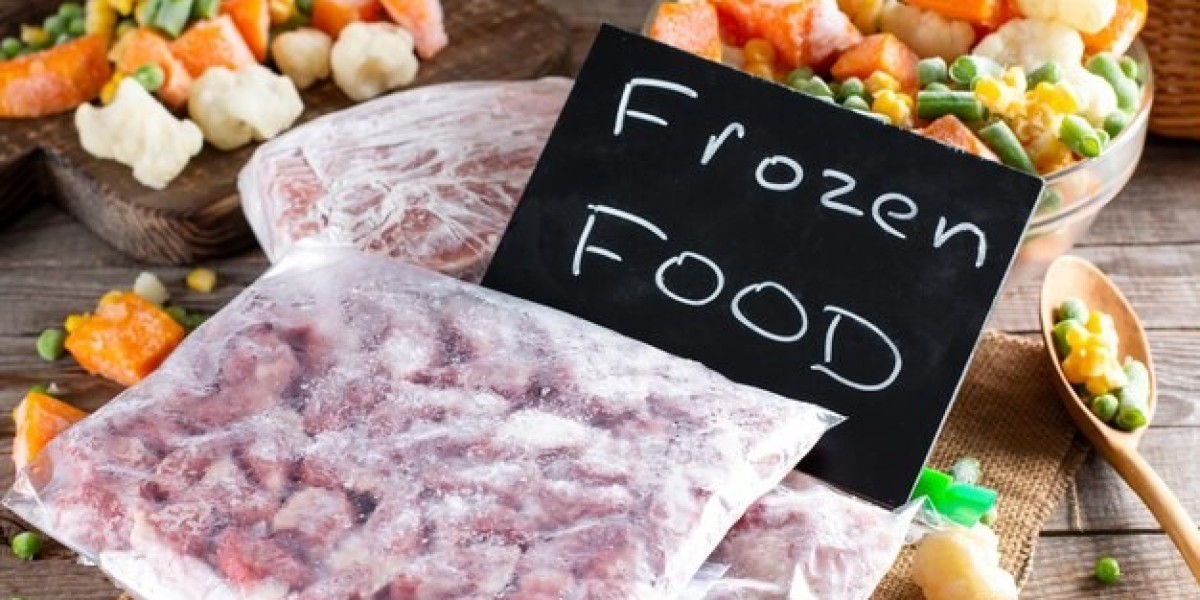

Frozen food has become a common part of modern kitchens, especially in urban households where time and convenience play a major role in meal planning. Despite its growing popularity, many people still question the health value of frozen food. Over the years, several myths have developed around frozen products, often creating confusion among consumers. Understanding the facts behind these assumptions is essential to making informed dietary choices.
Myth 1: Frozen Food Has No Nutritional Value
One of the most widespread myths is that frozen food lacks nutrients compared to fresh food. In reality, freezing is one of the most effective preservation methods available. Many foods are frozen soon after harvesting or preparation, which helps retain essential vitamins, minerals, and natural flavors.
Fresh food, on the other hand, may lose nutrients during transportation, storage, and prolonged exposure to air and light. In some cases, frozen food can contain similar or even higher nutrient levels than fresh food that has been stored for several days.
Fact: Freezing Preserves Nutrients
Scientific studies have shown that freezing slows down enzymatic activity that causes food to spoil. This process helps maintain the nutritional quality of food for longer periods. While some minor nutrient loss may occur during initial processing, the overall nutritional value remains largely intact.
This makes frozen food a practical option for people who want consistent nutrition without worrying about immediate consumption.
Myth 2: Frozen Food Contains Harmful Preservatives
Another common belief is that frozen food relies heavily on chemical preservatives to maintain shelf life. This is largely incorrect. Freezing itself acts as a natural preservative by preventing bacterial growth at low temperatures.
Many frozen products do not require additional preservatives because the freezing process alone is sufficient to keep them safe. Reading labels can help consumers choose products with minimal additives, allowing them to make healthier choices.
Fact: Food Safety Is Enhanced Through Freezing
Freezing significantly reduces the growth of harmful microorganisms, making frozen food a safe option when handled and cooked properly. Modern freezing and cold-chain systems ensure that food remains at safe temperatures from production to consumption.
Trusted brands like Orange Food Expert prioritize food safety by maintaining strict quality control and temperature standards, giving consumers confidence in the products they use.
Myth 3: Frozen Food Is Highly Processed and Unhealthy
Many people associate frozen food with excessive processing, unhealthy fats, or artificial ingredients. While some frozen meals may be highly processed, this is not true for all frozen food categories.
There is a wide range of frozen products available, including simple, minimally processed options. Consumers can make healthier choices by selecting frozen foods with clear ingredient lists and avoiding those with excessive added sugars or unhealthy fats.
Fact: Health Depends on Choice, Not Format
The health value of any food fresh or frozen depends on its ingredients and preparation. Frozen vegetables, meats, and snacks can be part of a balanced diet when consumed in moderation and prepared correctly.
Frozen food also allows portion control, which helps people manage calorie intake more effectively. Instead of overeating or wasting food, consumers can prepare only what they need.
Myth 4: Frozen Food Is Inferior in Taste and Quality
Some people believe frozen food lacks taste or texture compared to fresh food. However, advancements in freezing technology have greatly improved quality. Modern quick-freezing methods preserve texture, flavor, and appearance.
When cooked properly, many frozen foods taste just as good as freshly prepared options. This improvement in quality has played a major role in increasing consumer acceptance.
Fact: Frozen Food Supports Modern Lifestyles
Frozen food fits well into busy lifestyles by saving time and reducing daily cooking stress. For working professionals, families, and students, frozen options provide reliable meal solutions without compromising quality.
Brands like Orange Food Expert focus on offering frozen products that meet modern expectations for taste, safety, and convenience, making them suitable for everyday use.
Myth 5: Frozen Food Is Only for Emergencies
Previously, frozen food was often seen as a backup option for emergencies. Today, this perception has changed. Frozen food is now used as part of regular meal planning in many households.
With improved quality, variety, and availability, frozen food has become a practical solution rather than a last resort.
Conclusion
The belief that frozen food is unhealthy is largely based on outdated assumptions and misinformation. In reality, frozen food offers preserved nutrition, enhanced food safety, reduced waste, and consistent quality when chosen wisely. By understanding the difference between myths and facts, consumers can confidently include frozen options in their diets. With quality-focused brands like Orange Food Expert providing reliable choices, it is clear that Frozen Food Items can be a healthy, practical, and valuable part of a balanced modern lifestyle.