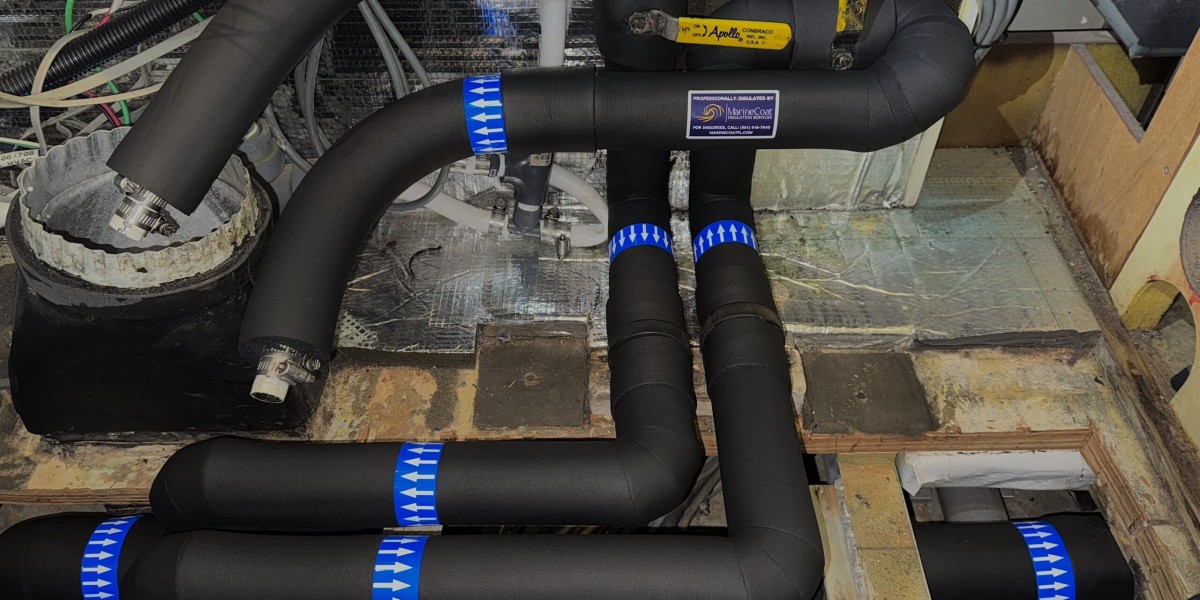

In contemporary naval architecture, acoustic regulation has evolved into a defining performance parameter rather than a secondary comfort feature. Modern vessels—whether leisure craft or industrial platforms—operate under increasingly strict expectations related to onboard serenity, mechanical efficiency, and structural resilience. Within the first stages of vessel evaluation, Marine Noise Insulation is frequently examined alongside propulsion efficiency and hull integrity. Owners researching Boat maintenance near me often discover that acoustic upgrades are no longer optional enhancements but fundamental components of long-term maritime asset preservation.
Persistent vibration, airborne resonance, and low-frequency mechanical emissions can degrade onboard conditions and accelerate material fatigue. High-performance insulation systems mitigate these effects through engineered layering, precision material science, and installation strategies aligned with vessel typology. This article explores how advanced noise-control technologies are reshaping modern maritime environments.
Acoustic Challenges Unique to Marine Environments
Unlike terrestrial structures, vessels operate within a dynamic acoustic ecosystem shaped by propulsion cavitation, hydrodynamic turbulence, auxiliary machinery, and reflective metallic surfaces. These variables create compounded sound propagation pathways that are difficult to suppress using conventional insulation methods.
Structural-Borne and Airborne Transmission
Marine noise originates from two primary vectors. Structural-borne transmission occurs when vibration travels through bulkheads, decks, and framing assemblies. Airborne transmission arises from engine exhaust, generator housings, and ventilation ducts. Marine Noise Insulation systems must address both vectors simultaneously to achieve measurable attenuation.
Low-frequency oscillations are particularly problematic. These frequencies travel long distances through steel or aluminum hulls, penetrating living quarters and operational zones. Without specialized damping compounds and decoupling layers, even minimal machinery output can generate disproportionate acoustic discomfort.
Composition of High-Performance Insulation Systems
Advanced marine acoustic assemblies rely on multi-layer compositions rather than single-material barriers. Each layer serves a discrete function within the sound mitigation process.
Core Absorptive Materials
High-density mineral wool, engineered foam composites, and viscoelastic polymers are frequently selected for their ability to absorb kinetic sound energy. These materials convert acoustic vibration into negligible thermal output, reducing resonance without adding excessive mass.
Barrier and Damping Layers
Mass-loaded vinyl barriers and constrained-layer damping sheets are installed to obstruct airborne transmission. When bonded correctly, these layers disrupt sound wave continuity, preventing amplification within confined compartments.
Surface Protection and Compliance
Marine environments demand resistance to moisture ingress, hydrocarbon exposure, and thermal fluctuation. Encapsulation films and fire-retardant facings ensure regulatory compliance while preserving acoustic performance. Vessel owners seeking Boat maintenance near me increasingly request insulation retrofits that satisfy both safety codes and comfort metrics.
Application Across Vessel Categories
Noise-control requirements differ substantially depending on vessel classification and operational profile.
Leisure Craft and Luxury Yachts
Onboard tranquility is a core expectation within recreational vessels. Cabins, salons, and helm stations benefit from precision-cut Marine Noise Insulation panels tailored to compartment geometry. Reduced ambient noise enhances navigational awareness and passenger experience, particularly during extended voyages.
Commercial and Industrial Ships
Workboats, ferries, and offshore support vessels prioritize crew endurance and communication clarity. Chronic noise exposure contributes to fatigue and operational error. Integrated insulation systems within engine rooms and accommodation blocks mitigate occupational risk while extending service intervals for mechanical assemblies.
Defense and Research Platforms
Specialized vessels often require acoustic discretion or instrumentation accuracy. Advanced insulation solutions limit self-generated noise signatures, preserving sonar fidelity and mission integrity.
Installation Methodologies and Technical Considerations
The effectiveness of any insulation system depends heavily on installation accuracy. Poor adhesion, thermal bridging, or incomplete coverage can undermine material performance.
Precision Fitting and Sealing
Custom fabrication ensures full surface contact and eliminates acoustic leaks. Seams, penetrations, and fastener points require meticulous sealing using vibration-resistant compounds.
Weight and Balance Management
While mass improves sound blocking, excessive weight affects vessel stability. High-performance Marine Noise Insulation solutions balance density with lightweight composites to preserve naval architecture parameters.
Integration With Maintenance Cycles
Owners frequently coordinate insulation upgrades with scheduled refits or searches for Boat maintenance near me. This alignment reduces downtime and allows acoustic enhancements to coincide with mechanical overhauls or interior refurbishments.
Regulatory and Environmental Compliance
International maritime authorities impose stringent standards related to onboard noise exposure, fire resistance, and material toxicity. High-grade insulation systems are engineered to meet or exceed these benchmarks.
Fire-retardant classifications, low smoke emission, and recyclability are increasingly prioritized. Sustainable insulation materials reduce environmental impact while supporting long-term operational compliance.
Long-Term Value and Operational Benefits
Investing in advanced acoustic control delivers measurable returns beyond immediate comfort. Reduced vibration lowers mechanical wear, extending equipment lifespan. Improved onboard conditions enhance crew retention and passenger satisfaction.
Fuel efficiency may also improve indirectly, as insulated machinery operates within optimized thermal and vibrational ranges. Over time, Marine Noise Insulation contributes to reduced maintenance expenditure and asset depreciation.
Conclusion: Acoustic Engineering as a Strategic Asset
High-performance acoustic systems have become integral to modern vessel design and lifecycle management. Whether incorporated during construction or introduced through retrofit programs associated with Boat maintenance near me, these solutions redefine onboard environments. Marine Noise Insulation is no longer a supplementary feature but a strategic investment that aligns comfort, compliance, and operational resilience within the evolving maritime industry.