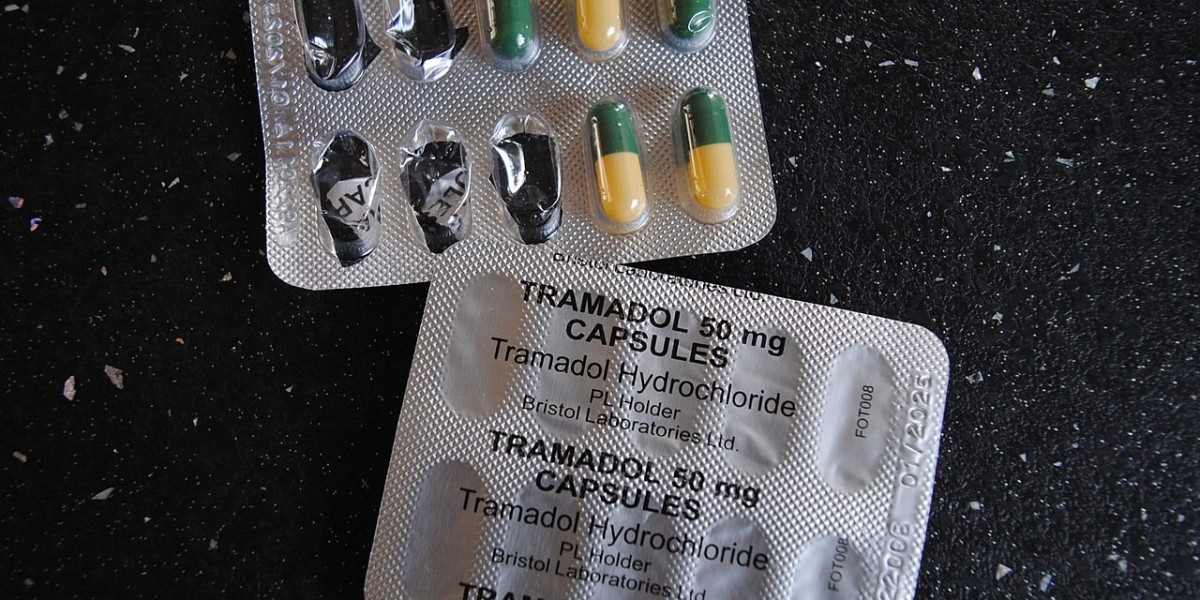

Tramadol is a commonly prescribed opioid-type painkiller used in the UK for the management of moderate to moderately severe pain when other pain relief options are insufficient. Available in several strengths and formulations, Tramadol 50mg is one of the most frequently prescribed doses in general practice and hospital settings.
Because tramadol acts on the central nervous system and carries risks of dependence, misuse, and side effects, its use in the UK is carefully regulated. Over recent years, prescribing guidance has become stricter, and tramadol is now classified as a controlled drug.
This article provides a comprehensive overview of tramadol 50mg in the UK, including how it works, when it is prescribed, typical dosing guidance, legal and regulatory status, safety considerations, and important patient advice.
What Is Tramadol?
Tramadol is a centrally acting analgesic (painkiller) with opioid-like properties. Unlike stronger opioids such as morphine, tramadol has a dual mechanism of action, which contributes to both its effectiveness and its risks.
It works by:
Binding to opioid receptors in the brain and spinal cord to reduce the perception of pain
Inhibiting the reuptake of serotonin and noradrenaline, neurotransmitters involved in pain modulation
Because of this mixed action, tramadol can be effective for pain that does not respond adequately to standard non-opioid painkillers such as paracetamol or ibuprofen.
Medical Uses of Tramadol 50mg
In the UK, tramadol is prescribed for pain that is moderate to severe and where alternative treatments are unsuitable or ineffective.
Common Indications
Post-operative pain
Injury-related pain (e.g. fractures, severe sprains)
Chronic pain conditions when other therapies have failed
Cancer-related pain (as part of a broader pain management plan)
Tramadol is not usually a first-line treatment for chronic non-cancer pain. Current clinical guidance encourages careful consideration due to the risks associated with long-term opioid use.
Forms and Strengths Available in the UK
Tramadol is available in several formulations, allowing doctors to tailor treatment to individual needs:
Immediate-release capsules or tablets (commonly 50mg)
Modified-release tablets or capsules (e.g. 100mg, 150mg, 200mg)
Oral solution
Injectable tramadol (used in hospital settings)
Tramadol 50mg immediate-release capsules are often used for short-term pain relief or as a starting dose to assess tolerance and effectiveness.
Dosage Guidance for Tramadol 50mg
General Adult Dosing
Dosage is determined by the prescribing clinician based on:
Severity of pain
Patient age and weight
Kidney and liver function
Previous opioid exposure
A commonly prescribed regimen for adults is:
50mg to 100mg every 4–6 hours as needed
Maximum daily dose: 400mg
However, many patients are started on 50mg to reduce the risk of side effects, particularly if they have never taken opioids before.
Elderly Patients
Older adults are more sensitive to tramadol’s effects. Lower doses and longer dosing intervals may be recommended to reduce the risk of confusion, falls, and sedation.
Duration of Use
UK prescribing guidance generally recommends:
Shortest effective duration
Regular review for ongoing need
Avoidance of long-term use where possible
How Tramadol Works in the Body
After oral administration, tramadol is absorbed in the gut and metabolised in the liver. One of its metabolites (O-desmethyltramadol) has stronger opioid activity than the parent drug, contributing significantly to pain relief.
Pain relief usually begins within 30–60 minutes, with effects lasting 4–6 hours for immediate-release formulations.
UK Legal Status of Tramadol
Controlled Drug Classification
In the UK, tramadol is classified as a Class C controlled drug under the Misuse of Drugs Act and is listed in Schedule 3 of the Misuse of Drugs Regulations.
This classification was introduced due to increasing concerns about:
Dependence and addiction
Misuse and diversion
Overdose risk
What This Means for Patients
Tramadol is prescription-only
It cannot be legally obtained without a valid prescription
Prescriptions are subject to stricter controls than standard medicines
Pharmacies must follow controlled-drug dispensing rules
Possession of tramadol without a prescription is illegal and may result in legal consequences.
Availability of Tramadol in the UK
NHS Prescriptions
Tramadol may be prescribed on the NHS when:
Pain severity justifies opioid treatment
Benefits outweigh risks
Other treatments have been ineffective
Prescribers are expected to follow national and local opioid prescribing guidelines, including regular patient reviews.
Private Prescriptions
Private doctors may also prescribe tramadol, but they are subject to the same legal and professional standards as NHS prescribers. A full medical assessment is required.
Online Pharmacies
UK-registered online pharmacies may dispense tramadol only if a valid prescription is provided and verified. Any website offering tramadol without a prescription is operating illegally and poses significant safety risks.
Side Effects of Tramadol
Like all opioid medicines, tramadol can cause side effects. Common ones include:
Nausea and vomiting
Dizziness or light-headedness
Drowsiness or fatigue
Constipation
Dry mouth
Headache
These effects are often more noticeable when treatment is started or when the dose is increased.
Serious Side Effects
Less common but more serious risks include:
Seizures (especially at high doses or with certain medicines)
Serotonin syndrome when combined with antidepressants
Breathing difficulties
Severe allergic reactions
Patients should seek immediate medical help if serious symptoms occur.
Risk of Dependence and Addiction
Tramadol has a lower opioid strength than drugs like morphine, but it still carries a real risk of:
Physical dependence
Psychological dependence
Withdrawal symptoms if stopped suddenly
Withdrawal symptoms may include:
Anxiety and agitation
Sweating
Muscle aches
Insomnia
Gastrointestinal upset
For this reason, tramadol should not be stopped abruptly after long-term use. Doctors usually recommend a gradual dose reduction.
Interactions and Precautions
Medicines That May Interact
Tramadol can interact with:
Antidepressants (SSRIs, SNRIs, MAOIs)
Other opioids
Sedatives and sleeping tablets
Certain antipsychotics
Alcohol
These combinations can increase the risk of seizures, sedation, or breathing problems.
Driving and Tramadol
Tramadol can impair concentration and reaction times. UK law states that it is illegal to drive if a medicine affects your ability to drive safely, even if it was prescribed.
Patients should avoid driving until they know how tramadol affects them.
Special Populations
Pregnancy and Breastfeeding
Tramadol is generally avoided during pregnancy unless absolutely necessary. It can also pass into breast milk, so breastfeeding is usually not recommended while taking tramadol.
Kidney or Liver Disease
Dose adjustments may be required, as tramadol is processed by the liver and kidneys.
Safe Use and Patient Advice
Patients prescribed tramadol 50mg should:
Take it exactly as prescribed
Avoid alcohol unless advised otherwise
Store it securely away from children
Never share it with others
Attend regular medication reviews
Unused tramadol should be returned to a pharmacy for safe disposal.
Online Safety and Illegal Supply Risks
Websites advertising tramadol without a prescription often sell:
Counterfeit medicines
Incorrect dosages
Contaminated products
Using such sources increases the risk of overdose, adverse reactions, and legal trouble. In the UK, safe access to tramadol always involves a qualified prescriber and a registered pharmacy.
Conclusion
Tramadol 50mg plays an important role in pain management in the UK when used appropriately and under medical supervision. Its effectiveness must be balanced against its risks, including side effects, dependence, and legal restrictions.
Key points to remember:
Tramadol 50mg is a prescription-only, controlled medicine in the UK
It is used for moderate to severe pain when other treatments are unsuitable
Dosage and duration should be carefully monitored
Buying tramadol without a prescription is illegal and unsafe
Responsible use under medical guidance offers the safest outcomes
Patients with ongoing pain concerns should always consult a healthcare professional to explore the most suitable and safest treatment options.